

About
Kayamkulam
Kayamkulam
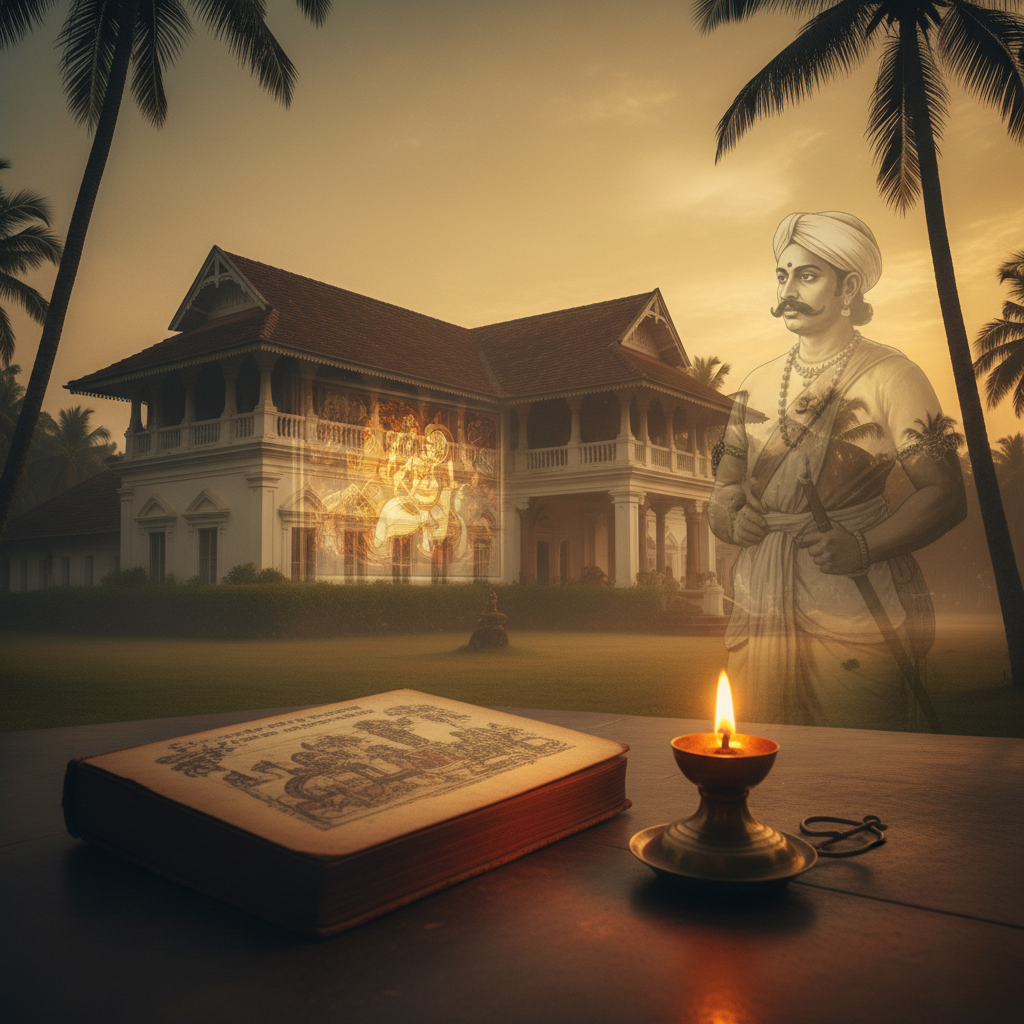
A Deep Dive into History
Kayamkulam holds a pivotal place in Kerala’s history, most famously as the capital of the Kayamkulam Kingdom, which was a powerful entity before being annexed by Travancore in the 18th century.
Kayamkulam Kochunni: The town is synonymous with the legend of Kayamkulam Kochunni, a celebrated highwayman from the 19th century whose tales of generosity and daring deeds have been immortalized in local folklore and literature.
The Krishnapuram Palace: A magnificent example of traditional Kerala architecture (Pathinarukettu), this palace was the residence of the Kayamkulam rulers. Today, it houses a museum and the famous single-panel mural, Gajendra Moksham.
Town Statistics

Area

Population

Language
Malayalam

Revenue
Backwaters and Natural Splendour
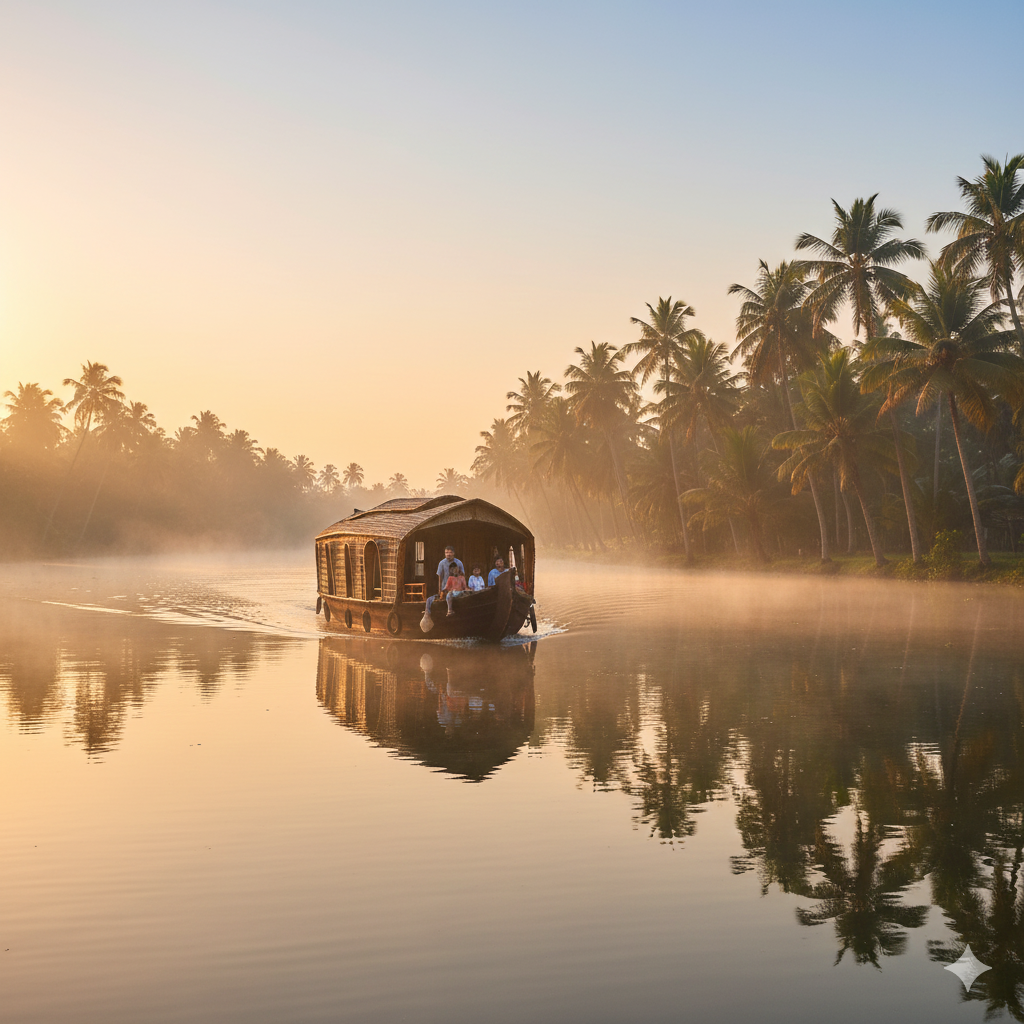
The tranquil beauty captured in the image is central to Kayamkulam’s identity. The region is interlaced with mesmerizing canals and waterways, offering a peaceful escape.
Kayamkulam Lake: This large, serene lagoon is a crucial part of the backwater network, where you can witness the iconic houseboats (Kettuvallams) gliding past palm-fringed shores, especially beautiful during sunrise and sunset.
Beaches: Being a coastal town, Kayamkulam also boasts beautiful, less-crowded stretches of coastline, perfect for reflection and relaxation.

Modern Milestones
Kayamkulam Thermal Power Plant: A major landmark, the power plant underscores the town’s role in the region’s industrial and energy landscape.
Coir Industry: Like much of Alappuzha, the town plays a part in the traditional coir and handicraft industry, providing a glimpse into local livelihoods.
Educational Excellence: Kayamkulam is a regional center for higher education and technical training, attracting students from surrounding areas. Institutions here contribute to developing a skilled workforce and fostering intellectual growth in the region.
Transport and Connectivity: The town serves as a crucial junction on the National Highway (NH 66) and boasts a busy railway station, making it a key logistical and commercial node connecting the southern and central parts of Kerala.
Frequently Asked Questions
Kayamkulam was the capital of the medieval Odanad Kingdom. It is most famous for the legendary highwayman Kayamkulam Kochunni and the historic Krishnapuram Palace.
It is an 18th-century palace built in traditional Kerala architecture (Pathinarukettu). It now functions as an archaeological museum and houses the famous Gajendra Moksha mural, the largest single mural painting in Kerala.
The Kayamkulam Val is a famous double-edged sword which is a key historical artifact associated with the Travancore-Odanad conflicts and is preserved at the Krishnapuram Palace Museum.
The main attractions are the Krishnapuram Palace, the serene Kayamkulam Kayal (backwaters/lake), and the nearby Kayamkulam Beach.
Yes, Kayamkulam Kayal offers backwater cruise opportunities, including traditional houseboat (Kettuvallam) rides, speed boat rentals, and local fishing activities.
The best time to visit is during the winter months (October to March), when the weather is pleasant and ideal for backwater activities and sightseeing.
Kayamkulam has a major railway station, Kayamkulam Junction (KYJ), which is well-connected to all major cities in Kerala and other parts of India.
Yes, Kayamkulam is located about 30–40 km south of Alappuzha town and is often considered the southern gateway to the famous Alappuzha backwaters.